Most hardware projects don’t fail because the idea is weak. They fail because critical decisions are made too late, too vague or by the wrong people.
Poor requirements
Weak requirements turn into wrong specs, unclear priorities and unstable execution. Before CAD, suppliers and tooling start moving, the product logic needs to be clear.
Unclear ownership
Hardware breaks when nobody owns the connection between design, engineering, business and suppliers. The missing link becomes the bottleneck.
Validation comes too late
If testing starts after major decisions are locked, every failure becomes expensive. Function, cost, risk and manufacturability need validation before commitment.
Late fixes cost the most
The later a wrong decision is discovered, the more expensive it becomes to correct. Hardware does not forgive vague planning.
Projects run late
Delays usually start as small unresolved decisions. When risks stay invisible, timelines break under engineering, supplier and validation pressure.
Scope creep
More features often mean more cost, more delay and more technical risk. Every new idea needs a clear reason to enter the product.
Resource gaps
Most teams don’t fail because they have no resources. They fail because nobody knows what is available, what is missing and what actually moves the product forward.
Roadmaps break
A roadmap is only useful if it matches budget, time, skills and validation reality. Otherwise it becomes a plan nobody can execute.
Stop feeding feature creep.
Every feature adds cost, complexity and risk. If it does not support the product strategy, it should not enter the roadmap.
Design before cost reality
Many products look promising before the cost logic is understood. The result is a concept that gets weaker the closer it gets to production.
The delta defines the roadmap
The gap between what your product needs and what your team can actually deliver becomes the real plan. Not ambition. Capacity.
Control your resources
Budget, time and skills are not side notes. They define what your product can become and how fast your team can move.
Your product is not stuck. Your decisions are.
Before you add more features, partners or budget, identify the decisions that block progress.
0101Intro
0202Expertise
0707Guide
0808Pricing
0303Diagnose
0404Decide
0505Visualize
0606Connect
The shortcut to hardware clarity
We evaluate your product, resources and execution risks through a structured diagnostic system. Then we turn the findings into a clear roadmap for better decisions.
Portfolio
NPNew Project
WHO
CECreative Entrepreneur
DMDesign Engineering Manager
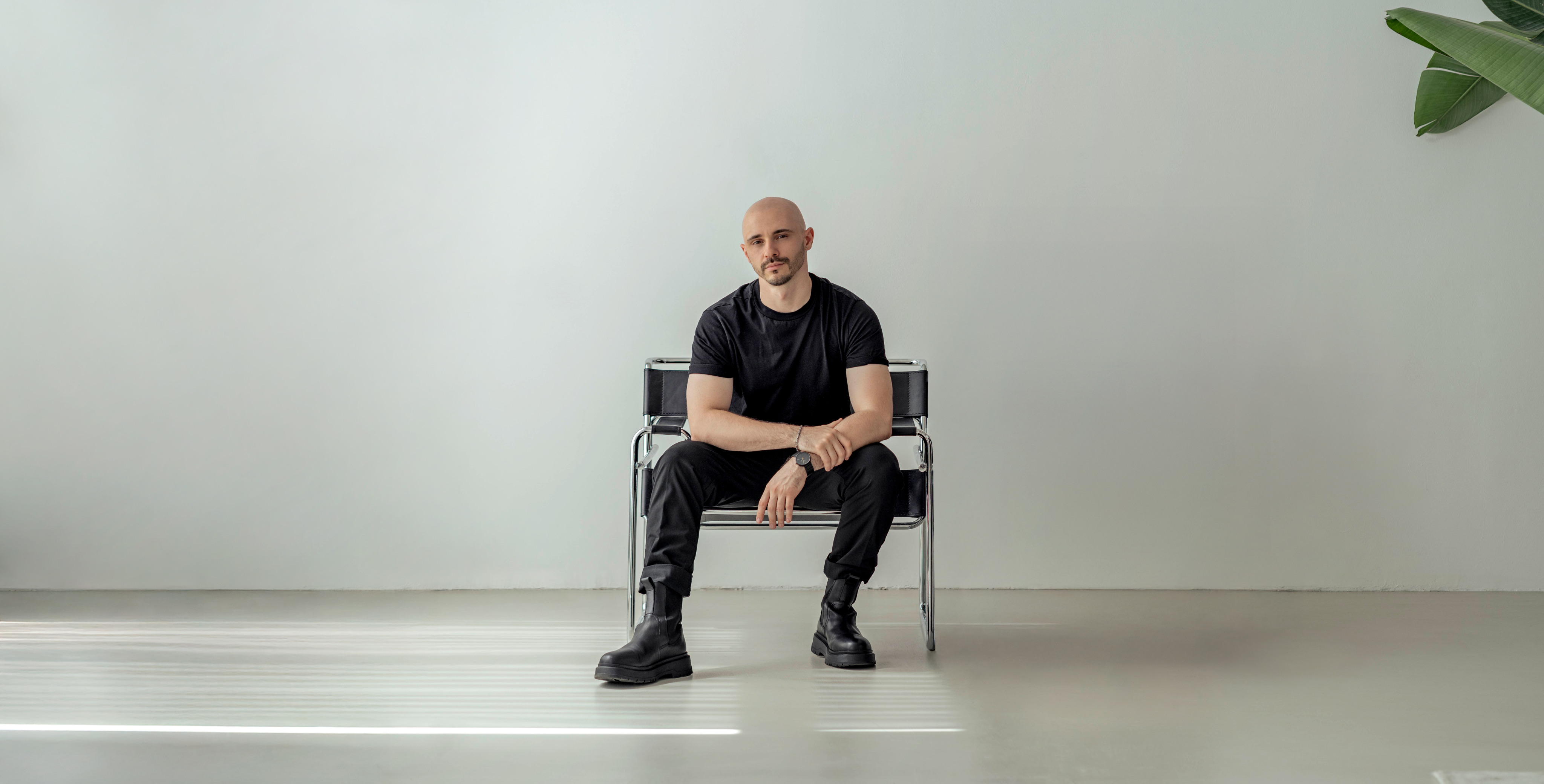
RBB.Sc. Ing. René Bade
1515+ Years Experience
MFMultiple Founder
BBBrand Builder
ADAward Winning Designer
MDManaging Director
As an entrepreneur, founder and Design Engineering Manager, I have spent over a decade connecting product development with business strategy, market positioning and commercial execution. My background in Industrial Design and Mechanical Engineering allows me to evaluate ideas not only from a creative and technical perspective, but also in terms of viability, scalability and long-term value.
I work closely with decision-makers to identify market opportunities, define strong product USPs and align teams, resources and priorities around clear business goals. From the first concept to market launch, I guide complex development processes and turn uncertainty into structured, executable decisions.
My work bridges design, engineering and management while improving communication, efficiency and ownership across teams. The goal is always the same: to transform ambitious ideas into relevant products that perform in the market and create lasting value.
B.Sc. Ing. René Bade
A great idea is only the start — the real challenge begins between idea and market. A successful product requires direction, priorities, resources, engineering, ownership and execution. We connect the system behind the product, so teams can move from ambition to market with less waste, fewer blind spots and clearer decisions.
A great idea is only the start.
The real challenge begins between idea and market.
WHY
To make it work, you need
Direction.Know where the product needs to go.
Priorities.Focus resources on what creates value.
Resources.Match budget, time and skills to ambition.
Engineering.Turn intention into technical reality.
Ownership.Keep decisions and responsibilities clear.
Execution.Turn the plan into measurable progress.
We connect the system behind the product.
So teams can move from ambition to market with less waste, fewer blind spots and clearer decisions.
Where product, business and execution align. Strong product development happens when business goals, product decisions and execution realities are aligned. .Havior connects these dimensions. Business: a clear market position, realistic commercial logic and priorities that support long-term value. Product: design intention connected with engineering, feasibility and manufacturing reality. Execution: people, decisions, responsibilities and project leadership aligned. For teams building, launching or scaling physical products: hardware startups, consumer brands, e-commerce brands, SMEs and industrial companies, product and innovation teams, founders and decision-makers. The gain: less guesswork, better alignment, stronger execution. From system thinking to real products: selected work across product strategy, design, engineering and execution follows.
WHAT
Where product, business and execution align.
Strong product development does not happen in design alone. It happens when business goals, product decisions and execution realities are aligned.
.Havior connects these dimensions to create clearer priorities, better decisions and stronger market outcomes.
01
Business
A strong product needs more than demand. It needs a clear market position, realistic commercial logic and priorities that support long-term value. We connect product decisions with the business behind them, so teams invest where it matters most.
Ideas only create value when they can become real products. We connect design intention with engineering, feasibility and manufacturing reality to reduce late-stage compromises and unnecessary development loops.
DesignEngineeringFeasibilityManufacturing
03
Execution
Even the right product direction fails without the resources and ownership to execute it. We align people, decisions, responsibilities and project leadership so progress does not depend on improvisation.
For teams building, launching or scaling physical products, whether the product is developed in-house, with external partners or sourced through manufacturers.
Hardware startups
From first prototype to serial production readiness.
Consumer brands
Product lines that strengthen brand, margin and market position.
E-commerce brands
From private-label and sourcing to differentiated product development and scale.
SMEs & industrial companies
New products and next generations built on existing strengths.
Product & innovation teams
Alignment across design, engineering and business decisions.
Founders & decision-makers
Clear decision foundations before time and capital are committed.
GAIN
Less guesswork.
Clearer decisions before time and resources are wasted.
Better alignment.
Business, product and execution move in the same direction.
Stronger execution.
The right resources and responsibilities turn plans into progress.
From system thinking to real products.
Selected work across product strategy, design, engineering and execution.
Portfolio
Where we’ve made an impact
Be the next one!
What our impact looks like
Awards
Your project keeps moving. We stay on board.
Product Advisory is a bookable advisory period for the project that has already run through the .Havior phases and been handed to a partner. We stay on as project management and decision support: in the meetings, between them, and whenever an unexpected problem needs a fast, defensible decision.
Bound to your running project · after the Diagnostic, the Design Sprint or the partner handover
01 / What Product Advisory covers
Not just meetings. A managed project.
Once the roadmap is decided and the partner is on board, the project needs someone who keeps it on track. We advise and manage: we hold the schedule, keep every participant aligned and turn each decision into assigned work.
Diagnose
Decide
Visualize
Connect
GuideProduct Advisory runs alongside your project from here
What every advisory period includes.
Decision meetings
1, 2 or 4 meetings per week, 30 minutes each, prepared with an agenda. We review progress, challenge the trade-offs and settle the next move.
Meeting protocols
Every meeting is documented: the decisions taken, who owns what and which points stay open.
Project tool
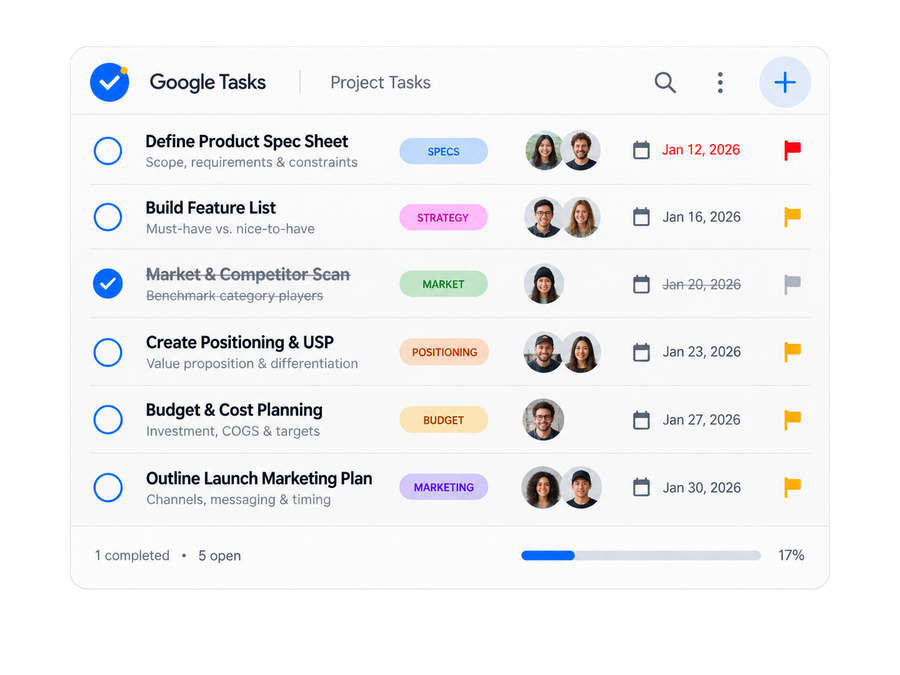
One shared workspace where everything is summarised after each meeting and the resulting tasks are assigned to every participant.
Project management
We keep the timeline, coordinate you and the partners and make sure no communication or action gets lost between meetings.
BTS scoring on demand
When an unexpected problem appears, we score it against budget, time and skills, so the decision is fast and grounded.
Bound to your project
The advisory period is booked for the project that ran through the phases and was handed to a partner; its scope follows your roadmap.
02 / Build your advisory package
The rhythm. The commitment. The advantage.
Choose how often we meet and how long we stay on board. A longer commitment adds a term discount on the monthly rate. The resulting package prices are listed on the pricing page.
Term discounts: 1–2 months 0%, 3–5 months 5%, 6–11 months 8%, 12 months 12%. Rates and package prices are listed on the pricing page.
03 / Focused support
One day. A specific challenge.
Outside a running advisory period: a product review, a difficult trade-off or a team alignment session. We define the question and the working agenda in advance.
Per advisory day · up to 8 hours
One focused day with a defined question and a prepared agenda. Travel and additional delivery are agreed separately.
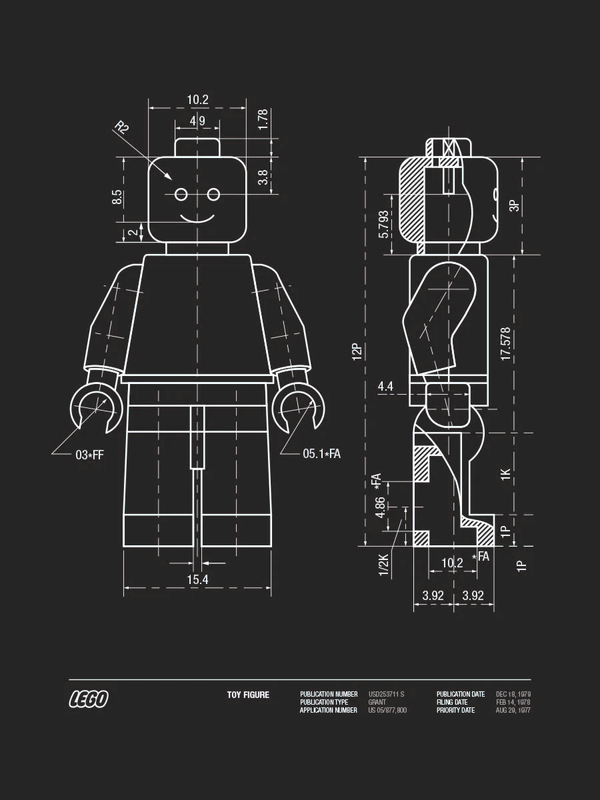
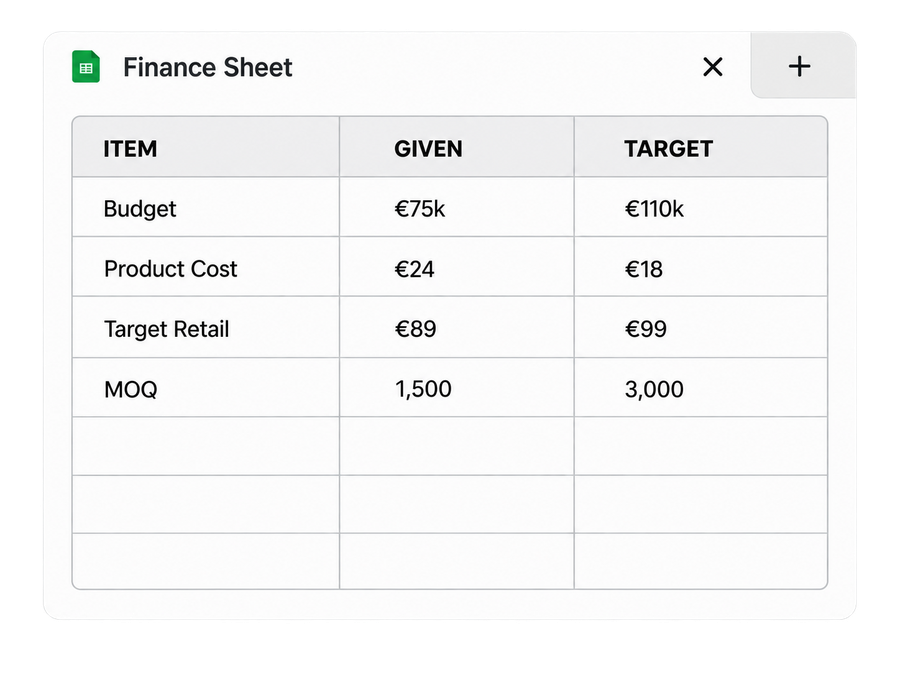
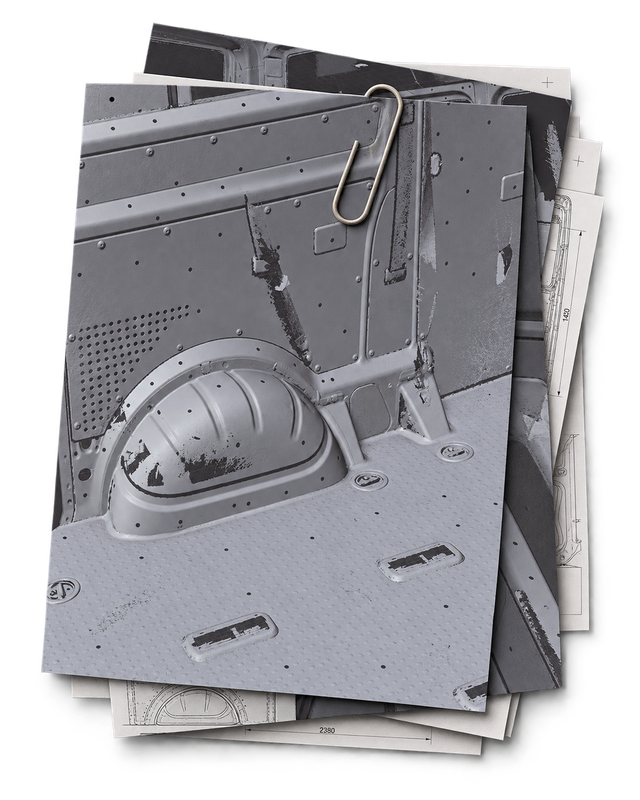
The workshop works like a live multiplayer board. A comment from René Bade asks to find out the given resources before defining the list of needs. While the comment is open, project material flies in: task lists, finance sheets, requirement sheets, blueprints, photos and Google files. A search bar, a vector path and an ROI donut chart build themselves. We do not miss a thing. Everything is then collected into one folder that fills the screen.
We do not miss a thing
0,00 €Total ROI Goal
René BadeRight Now
We need to find out the given resources, before we define the list of needs!
Reply↑
B I _ !
NCNew Client
Three sessions. One shared picture.
Three one-hour sessions turn your findings into priorities and realistic resource scenarios.
Moderator
Project Lead
BTS SCORING
Every plan is carried by three resources. In the workshop we score budget, time and skills for the product in front of us, before anything is decided.
Rate each resource from 1 to 3. You have five points in total — that is the whole point.Left 0
The workshop runs in six phases. First the essentials are confirmed. Then every open topic enters as a score card and is rated. The cards are sorted into the .Havior dimensions of product, business and execution, ranked by impact, scored against budget, timeline and skillset, and finally synthesized into one report, delivered as PDF and as a living web version.
PHASES
Three one-hour sessions connect six phases: establish the facts, agree the priorities and build realistic resource scenarios. The report turns this work into clear next steps.
01
Essentials
We align your goal, review the available material and define the questions to resolve.
02
Start
We trace bottlenecks back to the decisions behind them.
SCORE CARD12 P
SCORE CARD8 P
SCORE CARD0 P
03
Categorize
We connect product, business and execution so dependencies become visible.
04
Prioritize
We rank bottlenecks by urgency and impact, then set a clear order of work.
05
Scoring
We compare available budget, time and skills with what the product needs.
Budget
010203
Timeline
010203
Skillset
010203
06
Report
We turn the findings into resource scenarios and a roadmap your team can act on.
Three focused sessions. One hour each. We connect your inputs, challenge the bottlenecks and align the resource scenarios. Your report brings the findings and next steps together.
We turn workshop insights and BTS Scoring into clear recommendations and realistic ways forward.
01What goes in
Four inputs. One clear picture.
Your project data, your answers, the workshop findings and BTS scoring form one evidence base for the report.
01Data Import
02Questionnaire
03Workshop
04BTS Scoring
02Inside the report
Clarity you can act on.
See how a finding becomes a priority, a recommendation and a decision. Explore three excerpts from an example web report.
Example finding · Feature focus
Too many features. No clear starting point.
The bottleneck
The product is meant to carry every feature, colour variant and custom build at once, while budget, time and skills only cover a fraction of that scope.
The consequence
Engineering, tooling and sourcing effort spreads across too many variants. No version reaches a testable state, and the launch keeps slipping.
The recommendation
Define one core feature set and one colour variant for the first release. Park the remaining features and custom builds until demand and resources justify them.
What this unlocks
A buildable first version, a realistic budget and timeline, and a supplier brief with a clear scope.
Example resource assessment · Budget, Time & Skills
Fix the constraint. Protect what follows.
01
Skills
Critical constraintClose the gaps in tracking, pricing and supply before committing money to unreliable tests.
02
Budget
Moderate constraintOnce the essential skills are in place, use the limited budget for focused, measurable tests.
03
Time
Lower constraintProtect the available hours with clear priorities, a weekly structure and dedicated time blocks.
The order matters
In this example: stabilise skills, invest the budget deliberately, then protect time through focus.
Example validation plan · Criteria before commitment
Evidence first. Commitment second.
01
Prove demand
Test waitlist sign-ups, acquisition cost and price acceptance before moving to pre-orders.
02
Confirm willingness to pay
Use pre-orders to establish a commercial signal before committing to production.
03
Release production
Confirm the supply route, quality, costs and returns process before placing the order.
If the evidence is missing
Refine the offer, price or delivery plan before moving on. Each gate creates a clear point to continue or adjust.
Condensed English excerpts from the example report. These findings and priorities are specific to that project. Your report is built around your own evidence and constraints.
From workshop findings to design requirements, concepts and high-quality renderings. Human judgement and AI-supported exploration, focused on your next product decision.
DesignSprint
THE BRIEF
Good concepts start with clear intent.
Your workshop reveals what needs to change. We translate those findings into the design requirements that guide the sprint.
Purpose
What must the product do better?
Experience
How should it look, feel and work?
Boundaries
Which constraints must the design respect?
The starting point is agreed before exploration begins.
CONCEPTS
RENDERINGS
VARIATIONS
RENDERINGS
VARIATIONS
01
Concepts
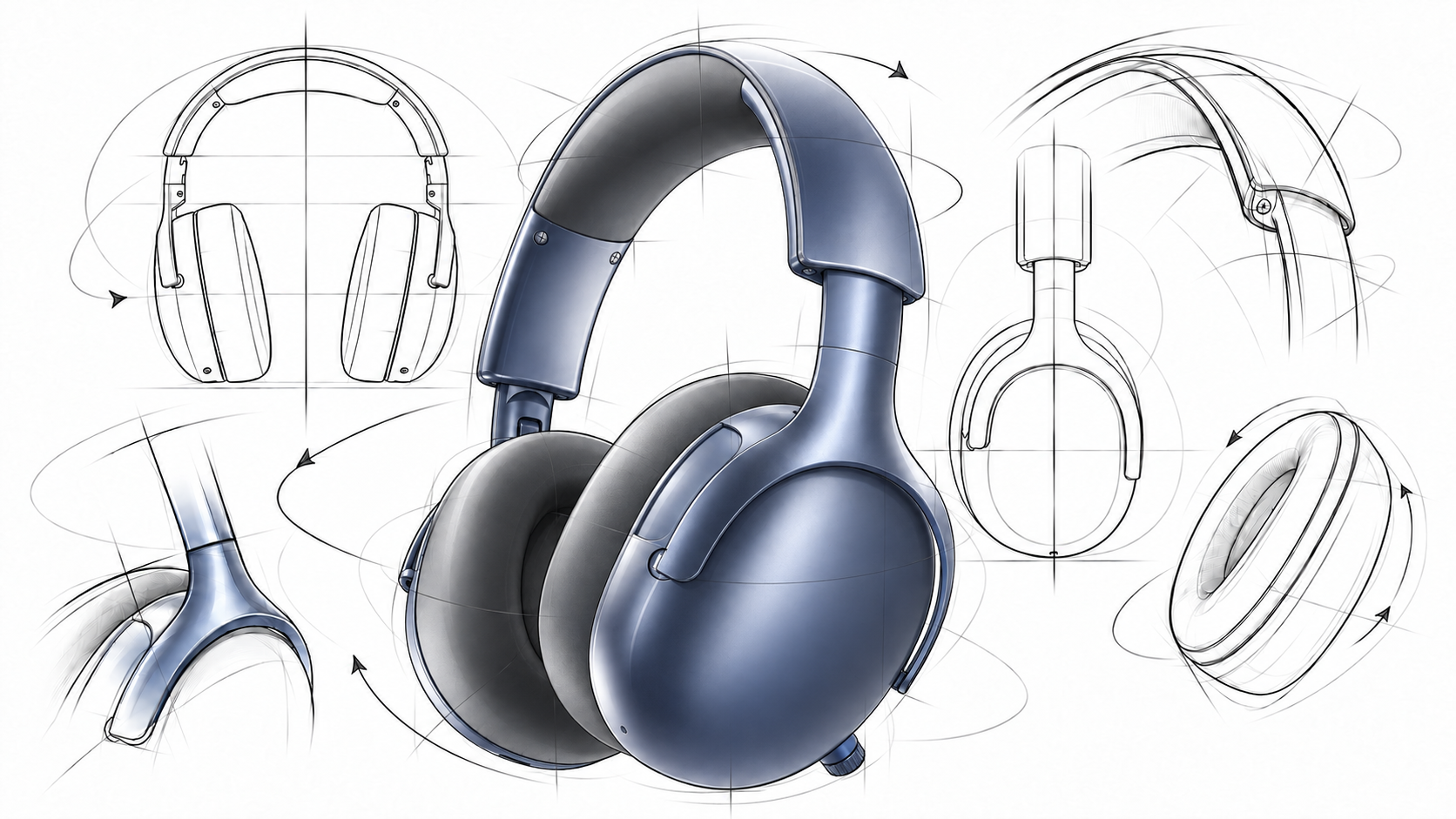
Product concepts across the agreed design directions, from first sketches to refined views.
02
CMF variations
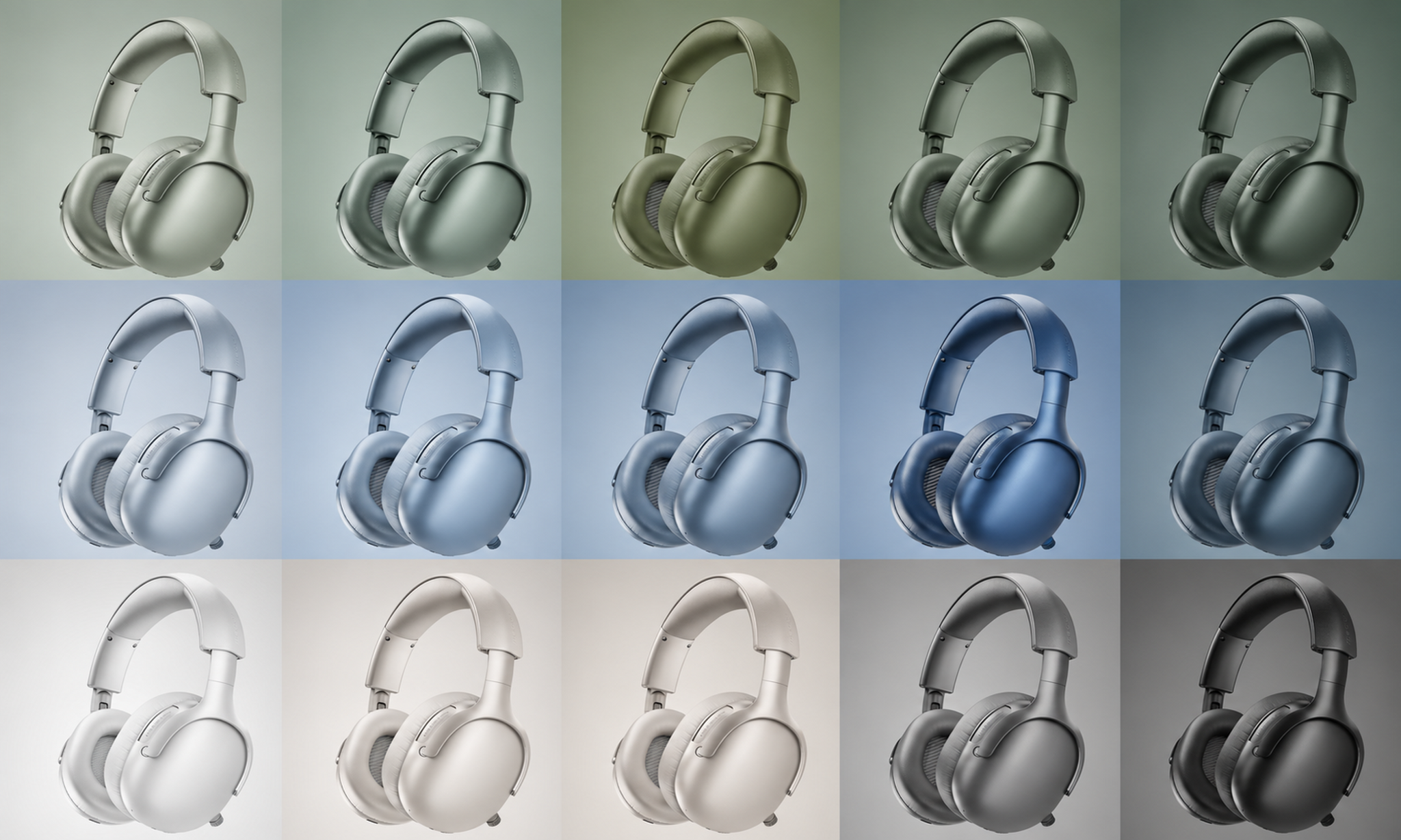
Colour, material and finish variations of the strongest concepts.
03
Concept selection on white
The selected concepts rendered on a neutral white background for comparison and review.
04
Concept selection staged
The selected concepts placed in context scenes that show use, scale and atmosphere.
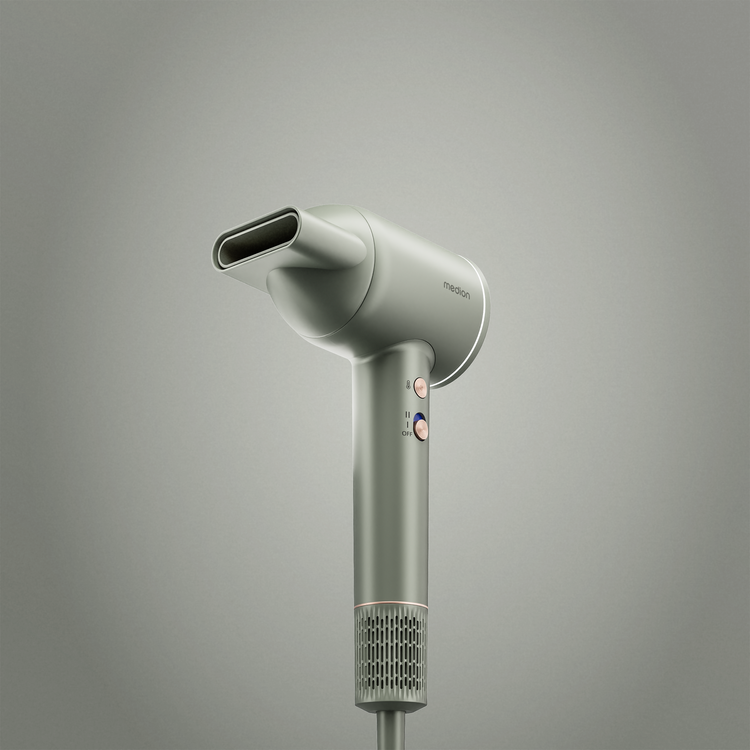
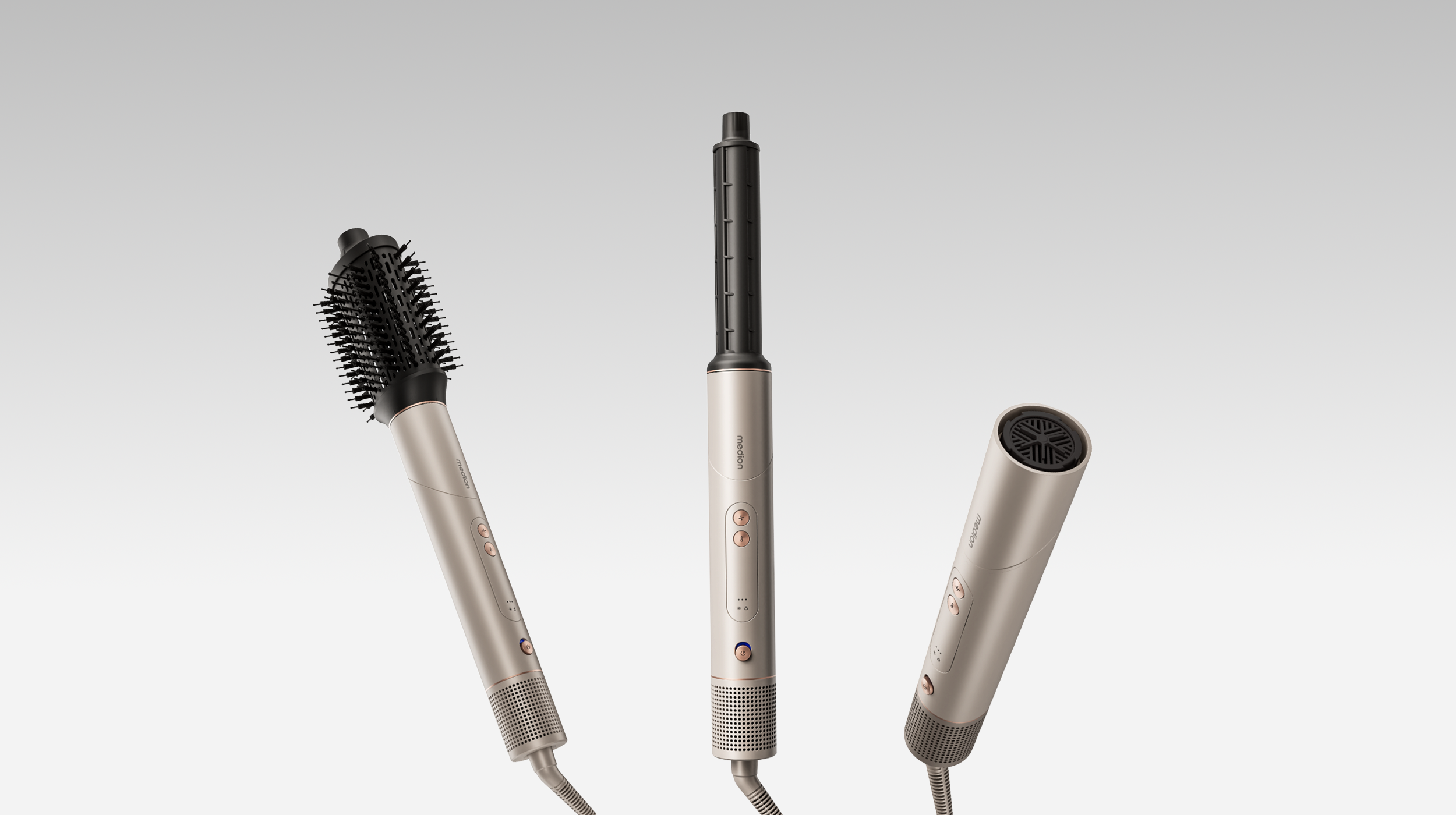
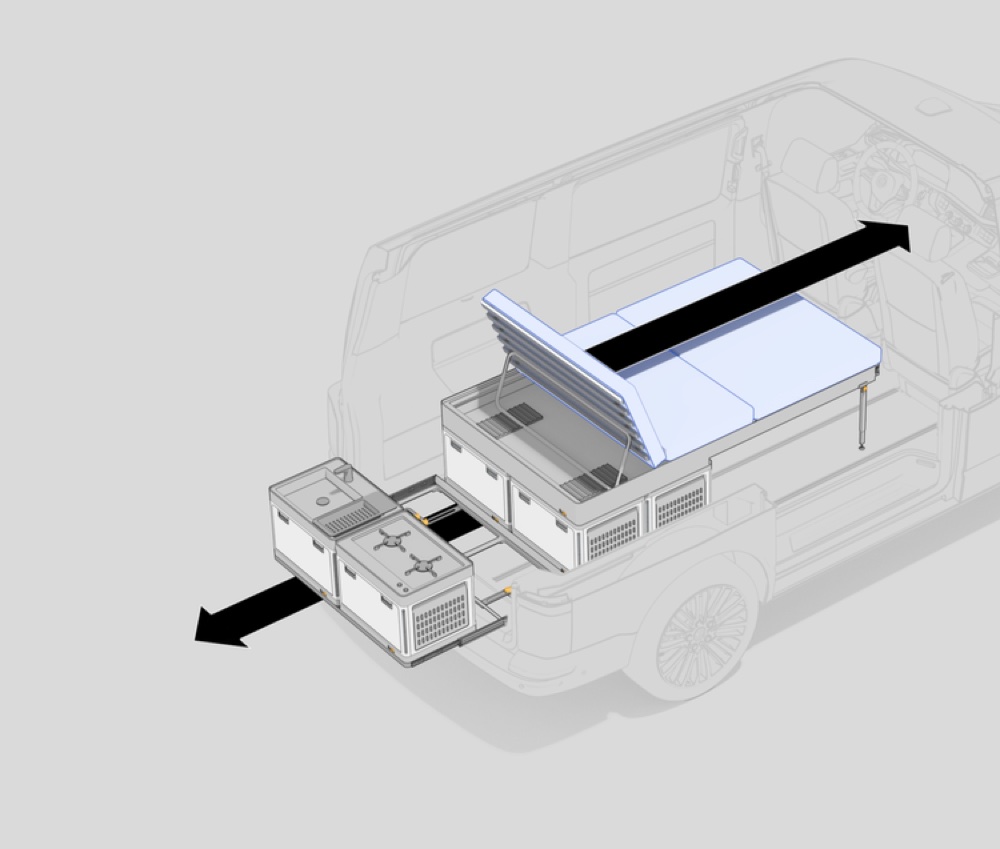
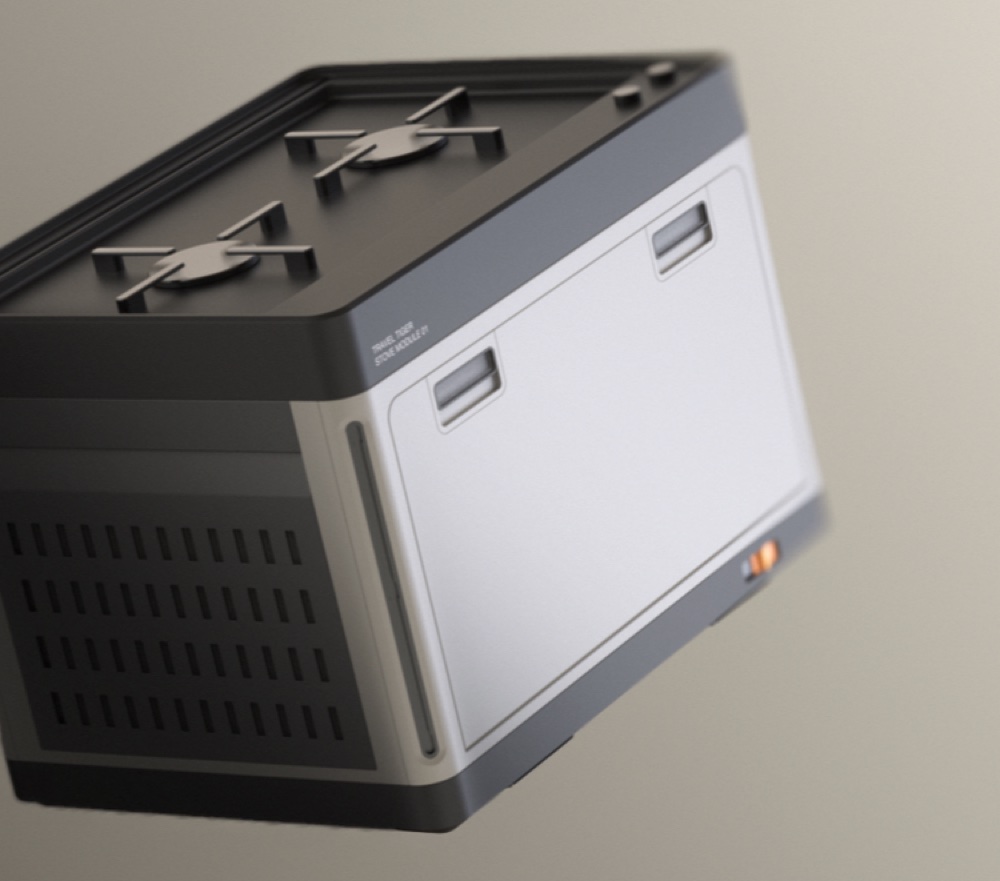
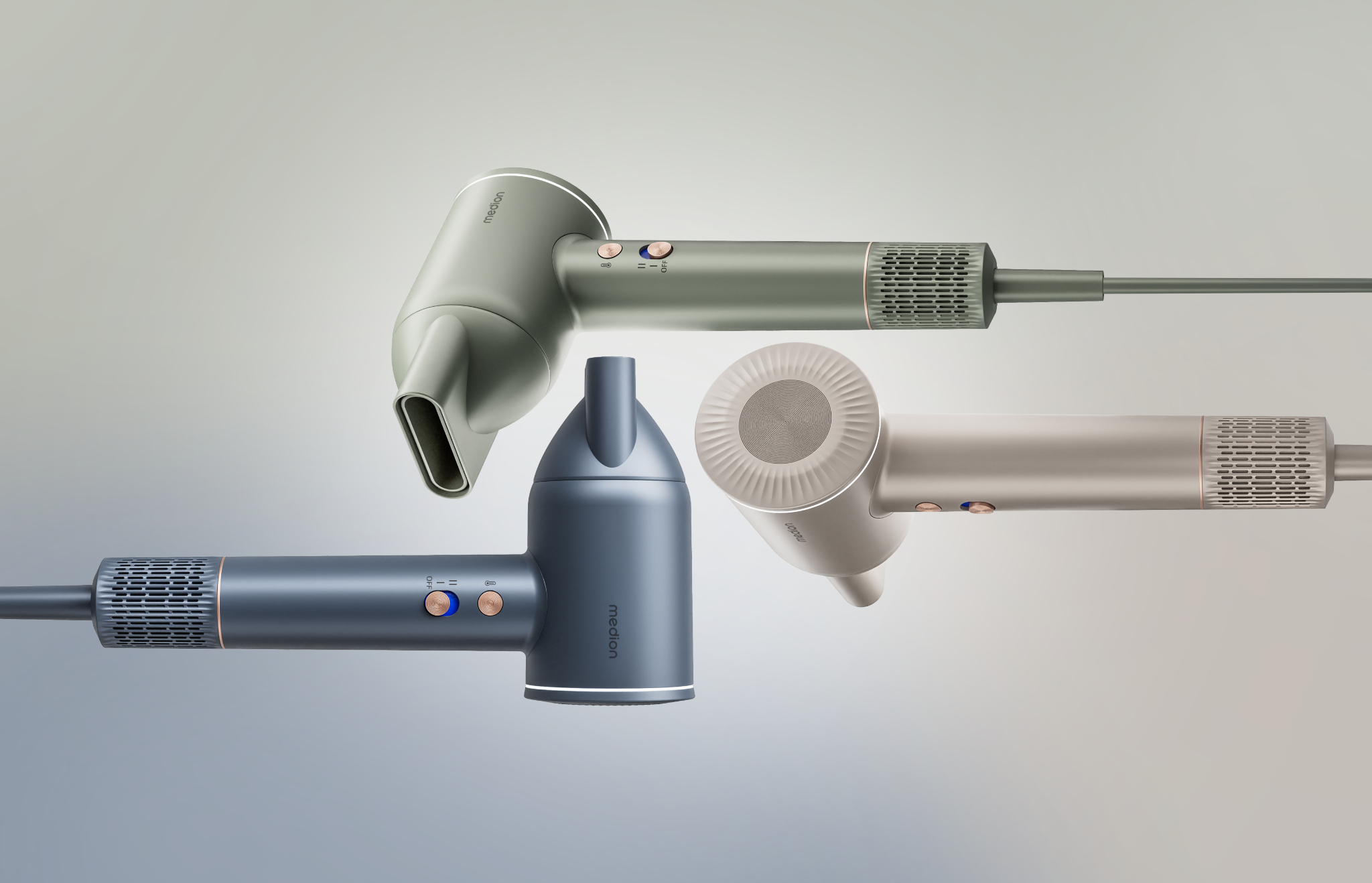
Selected portfolio visuals and illustrative AI-assisted design studies.
YOUR SPRINT
The same method. The scale you need.
Choose your research depth and visual output. The package scope and delivery window are confirmed in your brief before you book.
S
Sprint S: Focus
5–7 working days
One priority. A clear visual direction.
All services
Research
Market & product analysis, plus a design moodboard.
Concepts
10 concepts Across 2 design directions.
CMF variations
3 variations Colour, material & finish.
Renderings
12 renderings White backgrounds.
+Add-ons available
M
Sprint M: Compare
10–14 working days
More visual options. A stronger basis to decide.
All services
Research
Market & product analysis, moodboard and feature list.
Concepts
10 concepts Across 2 design directions.
CMF variations
6 variations Colour, material & finish.
Renderings
24 renderings Studio backgrounds.
+Add-ons available
L
Sprint L: Expand
15–20 working days
Deeper research. A broader concept range.
All services
Research
Everything in M, plus competitor & audience research, personas and positioning.
Concepts
15 concepts Across 3 design directions.
CMF variations
6 variations Colour, material & finish.
Renderings
24 renderings 12 studio + 12 transparent.
+Add-ons available
One shared foundation.
Your workshop findings become the design requirements. Human judgement and AI-supported exploration guide every package.
Add-ons
More output. When you need it.
Every package can be extended. Scope, fee and timing are agreed before we extend the sprint.
+Additional conceptsMore concepts within the agreed design directions.
+CMF variationsFurther colour, material and finish options.
+Rendering viewsAdditional views of your selected concepts.
A strong concept needs the right people behind it. We connect the gaps in your report with trusted development partners, so you can move forward with a relevant shortlist and a clear brief.
THE RIGHT FIT
Your project defines the expertise. We make the connection. You choose who takes it forward.
An example / Product design
Your product needs a design team.
The gap
The report identifies missing industrial design capacity.
The match
A design partner with relevant product experience and available capacity.
The handover
Design requirements, the chosen direction and available sprint concepts.
An example / Engineering
The concept is ready. The engineering team is missing.
The gap
Mechanical engineering is missing from the resource plan.
The match
An engineering partner suited to the product, constraints and next milestone.
The handover
The report, concept direction and technical requirements as a starting brief.
An example / Manufacturing
The next step needs manufacturing expertise.
The gap
The team needs support with production methods and supplier requirements.
The match
A specialist whose capabilities fit the process, intended volume and budget.
The handover
Available design information, constraints and the questions that need validation.
Choose a discipline to see how a resource gap becomes a partner brief. Illustrative examples.
LESS GUESSWORK
A convincing pitch or a high fee does not guarantee the right fit. Searching, briefing and testing the wrong providers costs time. We start with partners we know and the work your project actually needs.
01
Relevant expertise.
Experience that fits your product and development stage. A relevant recommendation, backed by work you can assess.
02
Realistic capacity.
Availability, scope and budget discussed before the introduction. A good name only helps when the partner can take on the work.
03
Clear responsibility.
You compare the options and make the decision. Scope, fees and delivery are agreed directly with your chosen partner.
A focused shortlist reduces the work and risk of searching from scratch. Final fit and delivery terms are confirmed with the partner.
KEEP MOVING
After the Design Sprint, the next team should be able to pick up the context. We connect the report, agreed requirements and available design work in a focused handover.
Report + Design Sprint→Partner brief
Report findings
What is blocking progress and which gaps matter most.
Design requirements
The purpose, priorities and boundaries already agreed.
Sprint outputs
Available concepts, CMF variations and selected renderings.
The next brief
The expertise needed and the next milestone to scope together.
You keep the choice.
We recommend and introduce. You select the partner and commission the development work.
CLEAR TERMS
You pay for the search and introduction. The partner pays us a separate commission for the collaboration. Both are explained before you decide.
Paid by you
Search & introduction
One fixed matching fee per agreed engagement. The amount is listed on the pricing page.See the matching fee ↗
Clarify the capability and scope required.
Identify relevant options in our network.
Introduce the partners and share the agreed brief.
Paid by the partner
Collaboration commission
For the time you work together.
We receive a commission from the selected partner for the duration of their work with you. We disclose this arrangement before making the introduction.
The commission is agreed with the partner. It is separate from your matching fee.
Partner services are quoted and contracted separately. We agree the matching scope with you before the search starts.
FIND YOUR MISSING LINK.
Tell us where your project needs support. In a free clarity call, we’ll identify the next step and whether our network is the right place to start.
No. The Product Diagnostic, including the Decision Roadmap, creates the basis for deciding what comes next. Design Sprints and Partner Matching are optional. Product Advisory can be added to any service or used with your existing team.
What is included in the Product Diagnostic?
Preparation and diagnosis, three separate one-hour workshop sessions, BTS resource assessment and the Decision Roadmap, delivered as PDF and web report. These form one connected engagement for €2,999.
How is sprint output defined?
We agree concept count, variations, views and refinement depth in the sprint brief. The balance can shift towards broader exploration or deeper refinement within the agreed scope.
Does a sprint include engineering?
The sprint focuses on visual concept development. Detailed CAD, engineering validation, prototypes and production documentation require a separate scope.
Are Product Advisory estimates binding?
The calculator shows the proposed monthly package and total commitment. Scope, scheduling, availability and contractual terms are confirmed in a written offer before booking.
How does a Clarity Call work?
A 15-minute video call, free and without preparation. You bring the product and the current challenge; we name the next step and which engagement fits, or whether the process is the right fit at all.
How long does the Product Diagnostic take?
The core package runs over five working days: two days for the Diagnosis, three separate one-hour workshop sessions and one day for the Decision Roadmap. Dates are agreed at the start.
Do the prices include VAT?
No. All fees exclude VAT. Scope, dates and the terms of payment are confirmed in a written offer before work begins.
What does Partner Matching cost, and what does the partner pay?
You pay one fixed matching fee of €999 per agreed engagement for the search and the introduction. The partner pays us a separate commission for the duration of your collaboration. Partner services are quoted and contracted directly with the partner.
What is an Advisory Day?
One focused day, up to eight hours, for €999: we work through a defined question with you and your team, on site or remote, and close with documented decisions. It can be booked on its own or alongside a Product Advisory period.
15 minutes to find the right next step
Your product. A clearer next move.
Bring the challenge. We will help you decide which engagement makes sense and agree a clear scope before work begins.



































We need to find out the given resources, before we define the list of needs!